Estimated Reading Time: 9 minutes
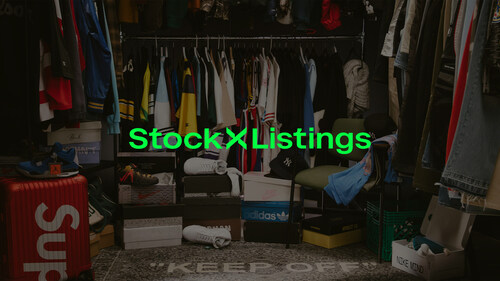
StockX, the sneaker resale giant, is now stepping into the used and vintage game. If you sell sneakers, streetwear, or vintage clothing, this is a marketplace shift worth watching.
StockX Listings gives you another possible sales channel, while AI tools such as Marblism can help you organize inventory, create listing drafts, and manage the work that comes with selling across multiple platforms.
The bigger question is simple: Should you add StockX to your reseller strategy?
Let’s break it down.
What Is StockX Listings?
StockX Listings is a new listings-based marketplace for:
- Used sneakers
- Vintage apparel
- Streetwear
- Unique items outside StockX’s traditional catalog
StockX announced the feature in 2026, with the rollout gaining attention during July. Unlike the original StockX model, which centers on standardized products, bids, and asks, Listings focuses on individual pre-owned items.
That distinction matters.
A used pair of sneakers can have scuffs, fading, sole wear, or other details that make it different from every other pair. A vintage T-shirt may have a unique graphic, tag, size, or condition. StockX Listings is designed for those one-of-a-kind products.
At launch, access is limited. A curated group of identity-verified U.S.-based sellers can list, while U.S. buyers can shop Listings through iOS. Android and web support are planned, followed by broader access for U.S. sellers and eventually global expansion.

Why StockX Listings Matters to Resellers
1. You Get Another Sales Channel
More buyers are searching for secondhand sneakers and vintage apparel. StockX already has a large audience interested in current culture, collectibles, and fashion.
That gives sneaker and streetwear resellers a potential new place to reach shoppers who may not find them on eBay, Depop, or other resale marketplaces.
The U.S. secondhand apparel market is projected to reach approximately $78.8 billion by 2030, according to ThredUp’s 2026 Resale Report. The pie is getting bigger.
You do not need to abandon your current platforms. Instead, look for inventory that fits StockX’s audience and test it when seller access expands.
2. AI May Make Listing Faster
StockX says Listings uses AI-powered photo analysis and auto-matching technology supported by years of proprietary marketplace data.
You upload photos, and the system can help identify product details. It may recognize the sneaker model, colorway, apparel category, or other characteristics. StockX also provides pricing guidance adapted for used items.
That can reduce the time you spend starting from a blank listing form.
However, AI is an assistant, not a replacement for your expertise. You still need to check:
- Brand and model
- Size
- Colorway
- Era or release year
- Condition
- Flaws and repairs
- Authenticity indicators
- Measurements for vintage apparel
This is where Marblism can fit into your larger workflow. Use Marblism to help create organized listing drafts, standardize condition language, develop reusable templates, and keep product information consistent across your business.
The goal is not to let AI run wild. The goal is to bump up your productivity while you remain in control.
3. Buyers Get More Market Transparency
StockX has built its reputation around pricing data. Listings extends that idea to used products.
Buyers can view market information and compare used pricing with new or deadstock pricing for similar products. That transparency may help shoppers understand why a worn pair costs less than a brand-new pair, or why a rare vintage piece commands a premium.
For you, better market data can support smarter pricing decisions.
Do not price a vintage jacket based only on what another seller is asking. Check actual sales, condition, brand demand, and current trends. The Reseller Pricing Strategies Guide can help you build a profit-first pricing process.
At launch, StockX says sellers keep 100% of the sale price because there are no seller fees. That is a strong incentive, but treat it as an introductory offer. Marketplace terms can change, so always review the current fee, shipping, return, and verification policies before listing.
4. Eligible Items Can Receive Verification
StockX Listings includes optional product verification for eligible items. Buyers can choose to pay for that added service, while other items may ship directly from seller to buyer.
StockX also requires seller identity verification and holds payments in escrow until delivery is confirmed. Its Buyer Promise applies across the StockX experience.
For sneaker resellers, trust is a major selling point. Buyers want confidence that the item is genuine and matches the photos and description.
That does not mean you can skip your own inspection. Photograph every angle. Show the soles, tags, box labels, stitching, wear, and flaws. For apparel, include measurements and close-ups of the care tag, brand tag, graphic, and damage.
Clear documentation protects your buyer and your business.

StockX Is Moving Toward Social Commerce
StockX Listings is only part of the company’s broader expansion.
StockX is also pushing into social commerce with StockX Live, a live shopping experience built around real-time auctions, buyer interaction, and seller-led shows. The early-access rollout focuses on sneakers, apparel, vintage fashion, collectibles, and trading cards.
This creates a three-part marketplace experience:
- StockX Verified: The original marketplace for new products.
- StockX Listings: Individual used, vintage, and unique products.
- StockX Live: Interactive live auctions and social shopping.
Why does this matter?
Because buyers increasingly want discovery, conversation, and entertainment, not just a search bar. A live auction can turn a product into an event. A vintage seller who knows how to tell a story may stand out more than a seller with the lowest price.
You do not have to become a livestream host overnight. Start by watching how successful sellers present inventory. Notice which product details they highlight, how they create urgency, and what questions buyers ask.
Who Should Pay Attention?
Sneaker Flippers
If you source worn Jordans, Nike, adidas, New Balance, or other in-demand sneakers, StockX Listings could be worth testing once access expands.
Focus on accurate condition grading. “Used” is not enough. Explain whether the shoes have creasing, heel drag, discoloration, odor, replacement laces, or missing packaging.
Vintage Clothing Sellers
Vintage T-shirts, sportswear, denim, jackets, and collectible apparel may fit StockX’s current-culture audience.
Your advantage is storytelling. Include the era, tag details, measurements, graphic subject, fabric, and notable history when you can verify it.
Streetwear Resellers
Streetwear buyers often care about brand recognition, authenticity, scarcity, and cultural relevance. StockX’s existing audience may already understand those factors.
Use strong photos and precise keywords. Avoid stuffing titles with unrelated terms. Accuracy gets noticed.
How to Add StockX Without Creating Chaos
Do not upload your entire inventory to every marketplace. That is how sellers lose track of items and create overselling problems.
Use a controlled test:
Step 1: Choose the Right Inventory
Start with five to ten items that fit StockX’s audience. Pick products with clear brand identity, strong photos, and enough expected profit to justify the work.
Step 2: Record Every Listing
Track the SKU, platform, list price, condition, storage location, and date listed. A simple spreadsheet can work. Marblism may also help you structure your inventory information and create repeatable workflows through Marblism.
Step 3: Compare Net Profit
A zero-fee marketplace can look attractive, but calculate the complete picture. Include:
- Cost of goods
- Shipping supplies
- Shipping charges
- Optional verification costs
- Returns or disputes
- Your time
Revenue is not profit. Use your minimum profit threshold before you commit inventory.
Step 4: Protect Your Photos
Use consistent lighting and photograph the exact item. This is especially important for used sneakers and vintage apparel because condition makes every item different.
Step 5: Review Results
After 30 to 60 days, check views, sales, questions, time spent, and net profit. Keep what works. Drop what does not.
Use the seasonal selling guide to time your inventory. Fall streetwear, vintage sportswear, boots, and back-to-school styles may perform differently depending on when you list them.

StockX vs. eBay: Do You Need Both?
For many resellers, the answer may be yes.
eBay remains a major competitor with broad buyer reach, seller tools, streetwear authentication programs, product research, and AI-powered listing assistance. Its mobile tools can help sellers create titles, descriptions, categories, item specifics, and pricing suggestions from photos.
eBay’s reported move to acquire Depop also highlights how competitive the secondhand fashion space has become. Marketplaces are racing to attract both sellers and younger fashion-focused buyers.
You can see how Danna applies marketplace strategy in her eBay store. StockX may be a strong fit for certain sneakers and culture-driven items, while eBay can offer broader category coverage and more flexible listing formats.
Think of each platform as a different storefront. Your job is to place the right inventory in the right shop.
Final Takeaway: Watch StockX, But Test Before You Commit
StockX Listings is meaningful because it combines several trends in one move:
- Used sneaker selling
- Vintage apparel
- AI-powered listing creation
- Pricing guidance
- Buyer verification
- Market data transparency
- Social commerce and live auctions
That combination could make StockX more relevant to everyday resellers: not just buyers searching for brand-new sneakers.
Still, do not rush to rebuild your business around one new feature. Watch the rollout. Review seller requirements. Test a small group of items when access becomes available. Track your actual profit.
Then make your decision based on numbers, not hype.
Want more practical ideas? Listen to the Power Selling Podcast for reseller interviews, marketplace updates, and strategies you can put to work.
You can also connect with other sellers in the eBay Selling Tips Facebook Group and The Power of the eBay Community.
You May Have Missed! Check out our guides on reseller pricing strategies and seasonal selling before you make your next listing plan.
Spread the love and share this guide with a sneaker reseller or vintage seller who is deciding where to sell next.
- Struggling for Reselling Profits? 50+ AI Prompt Examples to Try Today

- Top 10 eBay Selling Strategies for Q4 Success

- What eBay’s Watchlist Data Says About Fall 2026 Resale Trends

- How to Start a Podcast for Your Reselling Business (Using Riverside)

- My AI Sidekick: How AI Can Make Everyday Life and Business Easier