Estimated Reading Time: 9 minutes
If you’ve been looking at your shipping bills lately and feeling a slight pang of “sticker shock,” you aren’t alone. It’s March 2026, and the shipping landscape has shifted yet again. Between general rate increases and the ever-evolving surcharges, keeping your profit margins intact requires more than just a good eye for inventory: it requires a PhD in logistics.
Actually, scratch that. You don’t need a degree. You just need to know which carrier to pick for which package.
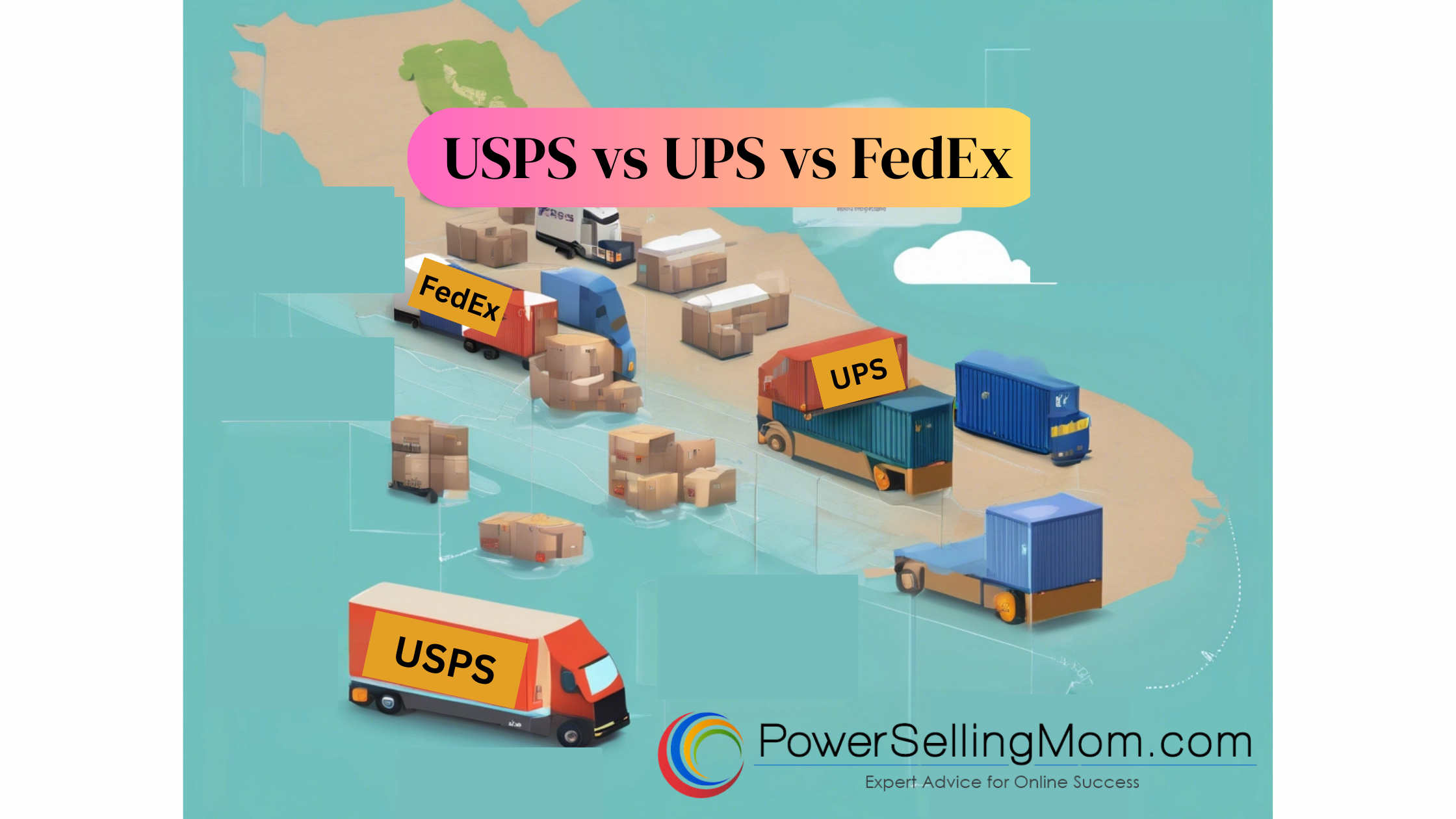
As we dive into the 2026 “Reseller Shipping War,” I’m going to break down exactly who is winning, where the “sweet spots” are hidden, and how you can stop the “Big Three” from eating your hard-earned cash. Whether you are shipping a vintage t-shirt or a mid-century modern lamp, let’s get your reselling for profit strategy back on track.
The 2026 Rate Reality Check
Every year, like clockwork, the carriers announce their rate hikes. For 2026, the news wasn’t exactly “budget-friendly.” Both FedEx and UPS rolled out an average general rate increase of 5.9%. While that might sound manageable, remember that “average” is a sneaky word. Depending on your zone and package weight, you might see much higher jumps.
The USPS also shook things up. Retail rates at the counter jumped significantly, with Priority Mail seeing a 6.6% increase and Ground Advantage climbing 7.8%.
The Silver Lining: If you are using API rates: the discounted labels you buy through eBay, ShipStation, or Pirate Ship: the blow is softened. In many cases, these commercial rates have stayed relatively flat compared to the retail counter. If you are still standing in line at the post office to buy a label at full price, consider this your “intervention.” Stop it! Get those commercial discounts and keep that money in your pocket.
The “Sweet Spots”: Choosing Your Carrier by Weight
In 2026, there is no “one size fits all” carrier. The winner changes based on how much your package weighs. Let’s look at the current battleground.
1. The Lightweight Champion (Under 1 lb)
Winner: USPS Ground Advantage
If you are shipping small items: think jewelry, lightweight clothing, or small collectibles: USPS Ground Advantage is still the undisputed GOAT (Greatest of All Time).
Even with the 2026 price bumps, Ground Advantage remains the most cost-effective way to get a 4oz to 15.9oz package across the country. It includes $100 of insurance and generally arrives within 2-5 days. For those focusing on high-volume, small-item ebay selling strategies, this is your bread and butter.
2. The Competitive Middle Ground (1-5 lbs)
Winner: It’s Complicated (But USPS Often Edges Out)
This is where the war gets fierce. For packages in the 1 to 5-pound range, you really have to compare rates for every single shipment.
- USPS Priority Mail: Usually wins for shorter distances (Zones 1-4). If you’re shipping from New York to New Jersey, Priority Mail is your best friend.
- UPS Ground: In 2026, UPS has become incredibly aggressive with their “SurePost” and ground discounts for business accounts. Sometimes, a 3lb package going to Zone 8 (across the country) is actually cheaper via UPS Ground than USPS Priority.
3. The Heavy Hitters & Bulky Goods (5 lbs+)
Winner: UPS and FedEx Ground
Once your package crosses that 5-pound threshold, or if it’s physically large (like a kitchen mixer or a bulky coat), the USPS starts to lose its luster. In 2026, UPS and FedEx Ground are almost always the winners for heavy items going to Zones 7 and 8.
The postal service isn’t built for heavy lifting; they are built for the “last mile.” UPS and FedEx, however, thrive on the heavy stuff. If you’re dealing with reseller inventory management that includes hard goods, make sure your shipping settings are toggled to offer UPS options to your buyers.

Beware the 2026 Surcharges: The Silent Profit Killers
While base rates are one thing, surcharges are where UPS and FedEx really make their money: and where you lose yours. In 2026, “The Big Two” have leaned heavily into residential and oversize fees.
- Residential Surcharges: FedEx and UPS charge extra to deliver to a home instead of a business. USPS does NOT. This is a massive factor if you are shipping to a customer in a rural area.
- Oversize/Additional Handling: If your box is over a certain length or weight, be prepared for a fee that can sometimes double the cost of the label.
- Fuel Surcharges: These fluctuate monthly. In 2026, they have remained stubbornly high.
When you are calculating your reselling for profit margins, always look at the total cost, not just the base rate. A $12 UPS Ground label might look better than a $14 USPS label until that $4 residential surcharge kicks in.
Level Up Your Shipping Game with AI
Does all this math make your head spin? You aren’t alone. One of the biggest hurdles to scaling a reselling business is the administrative “grunt work”: like constantly checking which shipping carrier is pennies cheaper.
This is exactly why I created the AI for Resellers membership. For just $6 a month (seriously, that’s less than a fancy latte), we teach you how to use AI tools to automate your business. Imagine using AI to analyze your shipping data, optimize your listings for eBay SEO, and manage your inventory faster than ever.
Stop working harder and start working smarter. Check out AI for Resellers and join a community of sellers who are using 2026 technology to dominate the market.

Pro-Tips for Reseller Shipping Success in 2026
To keep you winning the “Reseller War,” here are a few quick tips to “bump it up” and stay ahead of the competition:
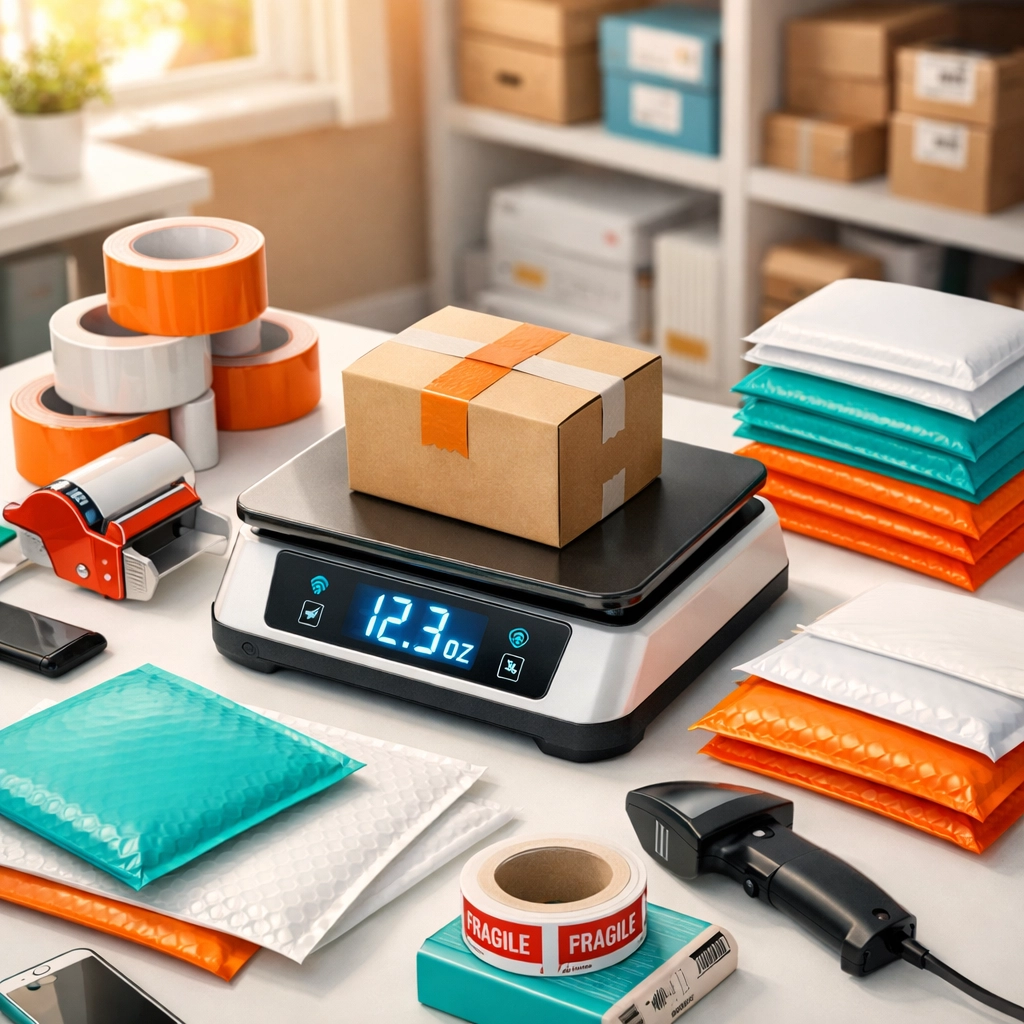
- Reuse and Recycle: Shipping supplies are expensive. While you should never skimp on tape, clean, reused boxes are a great way to save money and stay eco-friendly. Just make sure to cover old barcodes!
- Invest in a Thermal Printer: If you are still using an inkjet printer and taping labels onto boxes, you are losing time and money. A thermal printer pays for itself in a few months through saved ink costs alone.
- Audit Your Shipments: Once a month, look at your shipping spend. Are you consistently choosing the wrong carrier for a certain weight class? A quick audit can reveal where you’re leaking cash.
- Listen to the Experts: I dive deep into these topics on The Power Selling Podcast. Tune in to hear interviews with top sellers and shipping experts who share their boots-on-the-ground secrets.
- Multi-Channel Shipping: Use software that pulls in all your orders from eBay, Poshmark, and Etsy into one place. This allows you to see all carrier rates side-by-side on one screen.
You May Have Missed!
If you’re looking to further optimize your business, don’t miss our recent deep dives:
Final Verdict: Who Wins in 2026?
So, who wins the war?
- For the “Lite” Seller: USPS is still your champion.
- For the “Big & Heavy” Seller: UPS takes the crown.
- For the “Fast & Premium” Seller: FedEx often holds the edge for express services.
The real winner, however, is the reseller who stays informed. Don’t just set your shipping and forget it. Keep testing, keep comparing, and keep using the tools available to you.
Shipping is the biggest expense in most reselling businesses, but it’s also the area where you have the most control over your savings. Get out there, ship smart, and let’s make 2026 your most profitable year yet!
Spread the love! If this guide helped you make sense of the 2026 rate hikes, share it with your favorite reseller groups! 🚀