Estimated Reading Time: 8 minutes
When you first start your reselling journey, the world feels like a treasure map. You see profit everywhere, from the dusty shelves of your local Goodwill to the hidden gems at neighborhood garage sales. But here is the reality: not everything that glitters is gold. In fact, some items are more like ticking time bombs for your eBay account.
Knowing what to sell is a skill, but knowing what to avoid is an art. If you want to protect your seller rating, avoid getting scammed, and keep your shipping costs from eating your profits, you need to know the “No-Go” list.
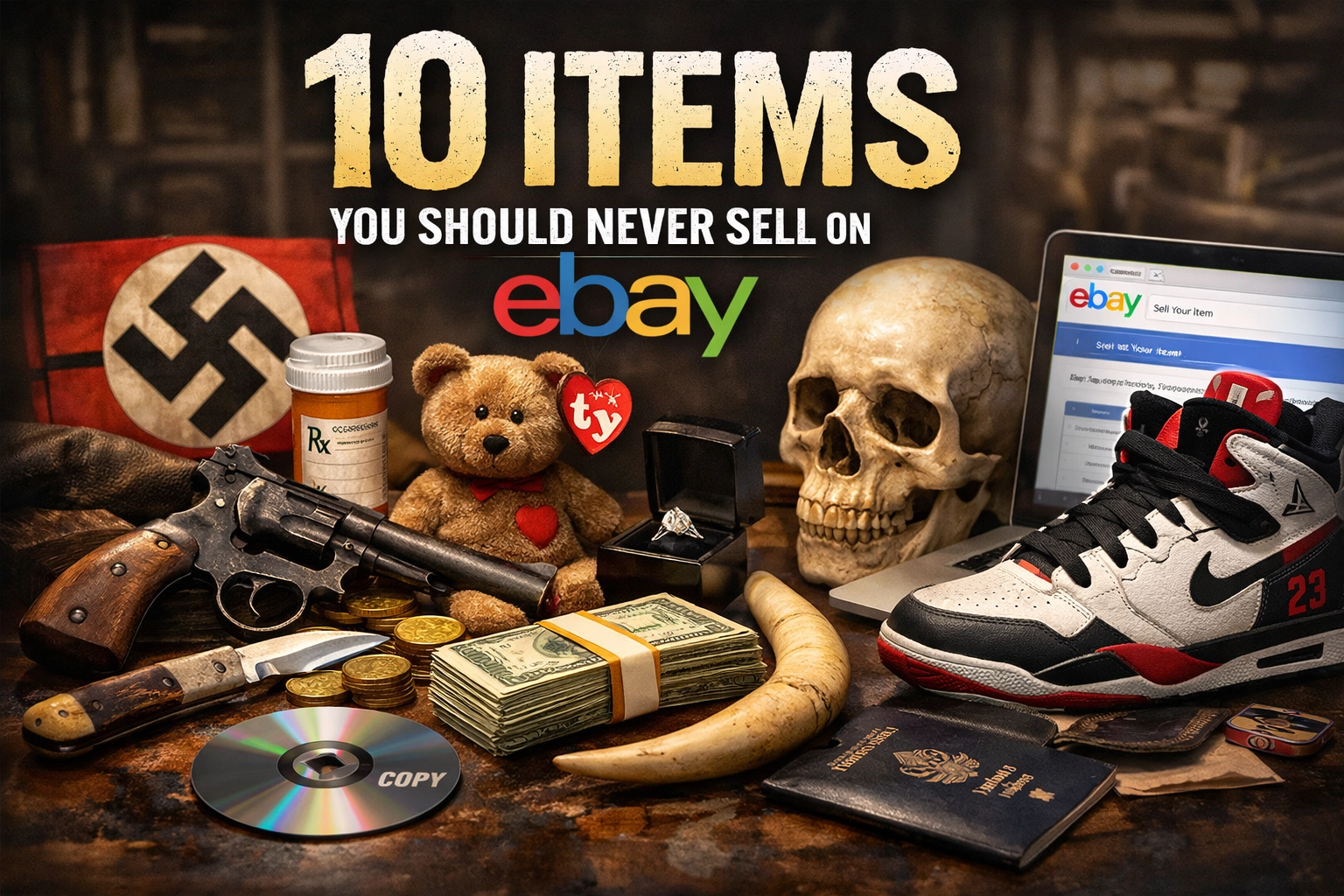
At Power Selling Mom, I’ve seen it all since I started back in 1997. I’ve watched sellers lose their accounts over simple mistakes and others lose hundreds of dollars on a single shipping mishap. To help you stay in the black, I’ve put together a list of 10 items you should never sell on eBay.
1. High-End Electronics (If You Are a New Seller)
If you just opened your eBay account yesterday, do not list your latest iPhone or a high-end MacBook. Why? Because you are a “whale” for scammers. Scammers specifically look for low-feedback accounts listing high-value electronics.
They use tactics like “item not received” claims or switching out your working device for a broken one and then requesting a return. Until you’ve built up a solid feedback history and understand how to protect yourself with signature confirmation and insurance, stick to safer categories like side hustles for women over 50 which often involve fashion or collectibles.
2. Prohibited Gift Cards
You might think that unused gift card in your junk drawer is an easy $25, but eBay has very strict rules here. You cannot sell gift cards from stores that are going out of business or are in bankruptcy.
Additionally, selling “digital delivery” gift cards is a huge risk. Scammers will buy the code, use it immediately, and then file a “chargeback” with their credit card company. Since you have no physical tracking number to prove delivery, eBay will almost always side with the buyer. Save yourself the headache and use a dedicated gift card exchange site instead.

3. Human Body Parts (The Weirdest Ban)
This might seem like common sense, but eBay’s “Human Remains and Body Parts” policy is quite specific. You cannot sell human remains, period. This includes things like skulls, bones, or organs (not that we think you’re out here harvesting organs, but hey, the rule exists!).
The only real exception is human scalp hair used for wigs or lockets. If you find a Victorian-era “hair work” jewelry piece, that’s usually okay. But otherwise, if it’s biological, keep it off the platform.
4. Single-Use Plastics (In Certain Regions)
The world is turning green, and eBay is following suit. In many regions, eBay has started restricting or outright banning the sale of single-use plastics. This includes:
- Plastic straws and cutlery
- Grocery store checkout bags
- Polystyrene (Styrofoam) food containers
If you happen to have a bulk stash of vintage 90s plastic party supplies, check the latest regional regulations before you list them. Selling banned plastics can result in a “slap on the wrist” or a full listing removal.
5. Heavy, Low-Value Items
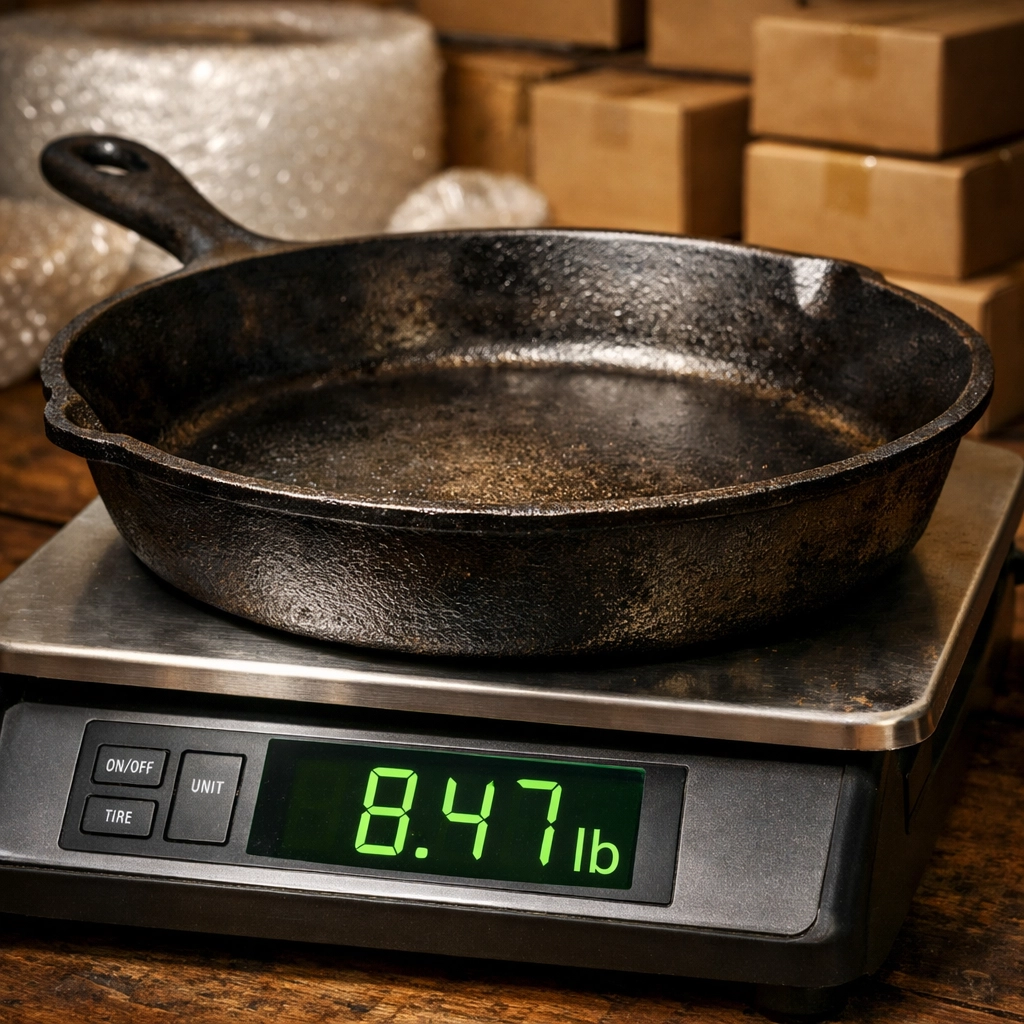
This is a classic rookie mistake. You find a beautiful, heavy cast-iron skillet for $2. You think, “I can sell this for $20!” Then you realize it weighs 10 pounds. By the time you buy a box, bubble wrap, and pay the shipping carrier, you’ve actually lost money on the deal.
Unless an item has a high enough “Average Selling Price” (ASP) to justify the shipping cost, let it stay on the shelf. If you’re struggling to calculate these margins, using modern tools is a lifesaver. You can see how I use tech to stay ahead in my Marblism AI employees review.
6. Most Locksmithing Equipment
Trying to sell a set of lock picks or “bump keys”? Don’t. eBay considers most locksmithing devices to be “burglary tools.” While there are some professional exceptions, listing these items is a fast track to a policy violation. Even “practice locks” can sometimes get flagged by the automated bots. It’s better to avoid this category entirely to keep your account health in the green.
7. Expired Coupons and Vouchers
Think that stack of manufacturer coupons is worth a few bucks? Think again. eBay prohibits the sale of coupons that have already expired or will expire before the buyer receives them. Furthermore, you can’t sell “free product” coupons or coupons for recalled items. eBay has cracked down hard on the “coupon clipping” business, so it’s usually not worth the effort or the risk.
8. Fragile and Oversized “Nightmare” Items
I’m talking about things like giant floor mirrors, neon signs, or delicate chandeliers. Unless you are an expert at double-boxing and don’t mind spending an hour packing a single item, these are often more trouble than they’re worth.
The “breakage” rate on high-end fragile items is significantly higher, and even with insurance, filing claims with USPS or FedEx is a soul-crushing process. If you find a large, fragile item you love, consider selling it on a local platform like Facebook Marketplace instead.
9. Items on the VeRO List
VeRO stands for Verified Rights Owner. Certain brands (like Chanel, Gucci, or even some smaller specialized companies) are very protective of their intellectual property. If they haven’t authorized you as a dealer, or if they suspect your item is a “knock-off,” they can have your listing pulled instantly.
Repeated VeRO violations will get your account suspended permanently. Before you list a high-end designer bag, do your homework. Ensure it is 100% authentic and be prepared to provide proof if eBay asks.

10. Stagnant “90-Day” Inventory
While not a specific “item,” you should never let your listings sit for more than 90 days without refreshing them. After 90 days, eBay’s algorithm basically decides your item is “junk” and pushes it to the bottom of the search results.
Instead of letting it sit, use the “Sell Similar” feature to give the listing a fresh start. This “bumps it up” in the search results and lets the algorithm know there’s a “new” item available.
Master the Reselling Game with AI
Staying on top of eBay’s ever-changing rules can feel like a full-time job. That’s why I’m so passionate about using technology to simplify our lives.
If you want to stay updated on the latest “BOLO” (Be On the Look Out) items and get real-time help with your reselling business, you need to join our community. My AI for Resellers membership is currently only $6 a month! It’s the best way to get coached on using AI tools to find inventory, write descriptions, and avoid these “forbidden” items.
Join AI for Resellers for just $6/month at aiforresellers.com
(Note: Grab this price now before it increases!)
Quick SEO Checklist: What to Avoid Selling
- Prohibited Items: Drugs, weapons, and human remains.
- High-Risk Tech: Laptops and phones (especially for new accounts).
- Compliance Bans: Single-use plastics and locksmithing tools.
- Financial Risk: Digital gift cards and expired coupons.
- Logistical Dangers: Heavy low-value goods and oversized fragile items.
Reselling is a marathon, not a sprint. By avoiding these 10 categories, you’re protecting your business for the long haul. Remember, if an item feels too risky or the shipping feels too complicated, it’s okay to pass. There is always more inventory waiting for you!
Spread the love! If this helped you, share it with a fellow reseller who might be tempted to list that cast-iron skillet!