Estimated Reading Time: 8 Minutes
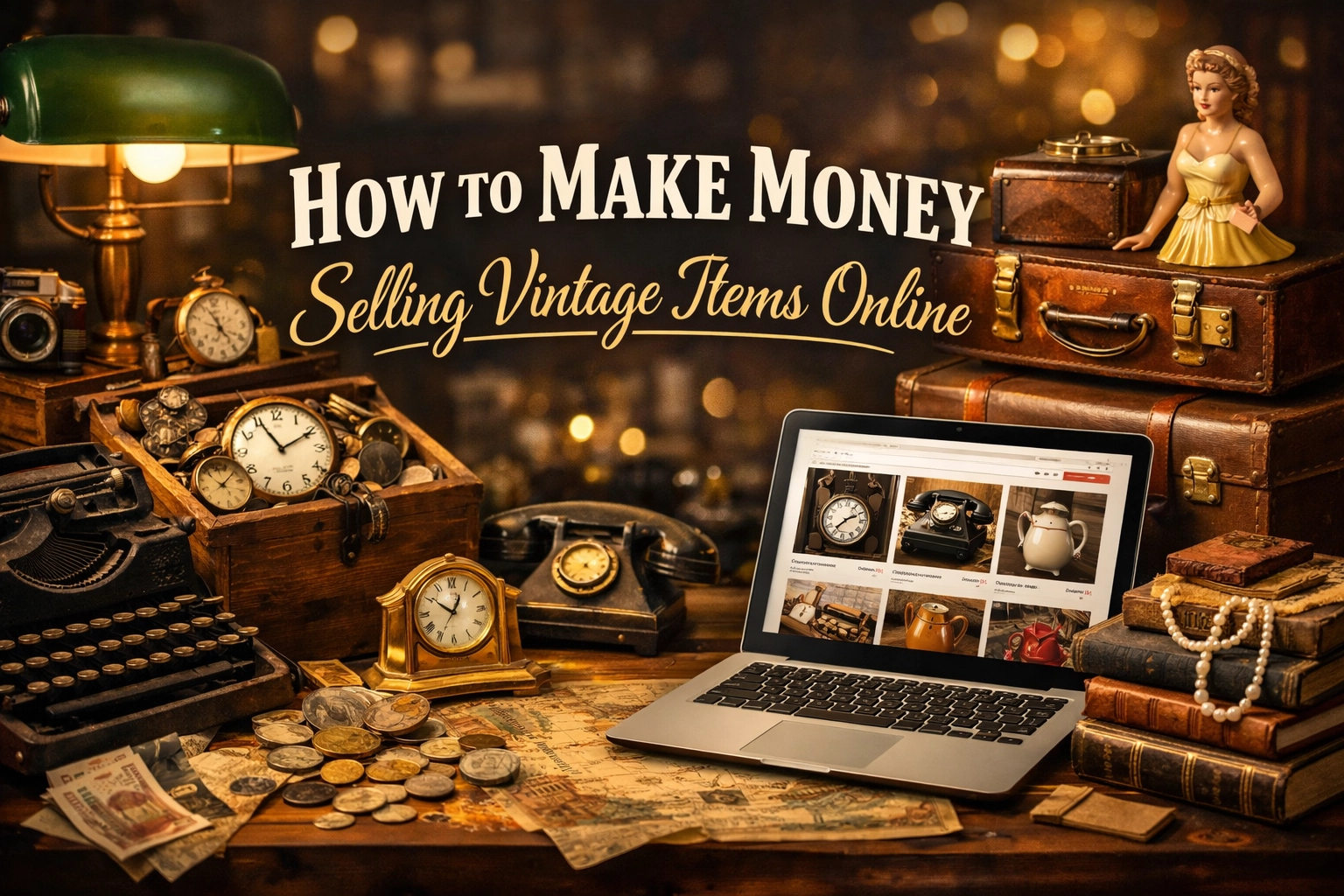
Have you ever walked through a thrift store, spotted a funky 70s lamp or a faded rock band tee, and thought, “I bet I could sell that for a fortune”? Well, you’re not alone: and you’re definitely onto something.
The vintage market is exploding. Between the push for sustainable fashion and a deep-seated nostalgia for “the way things used to be,” buyers are flocking to the internet to find unique pieces that tell a story. Whether you want to turn a weekend hobby into a full-time career or just need a solid side hustle, learning how to make money selling vintage items online is one of the most rewarding ways to dive into the world of e-commerce.
In this guide, I’m going to walk you through the “Power Selling” way to source, curate, and flip vintage treasures for a serious profit.
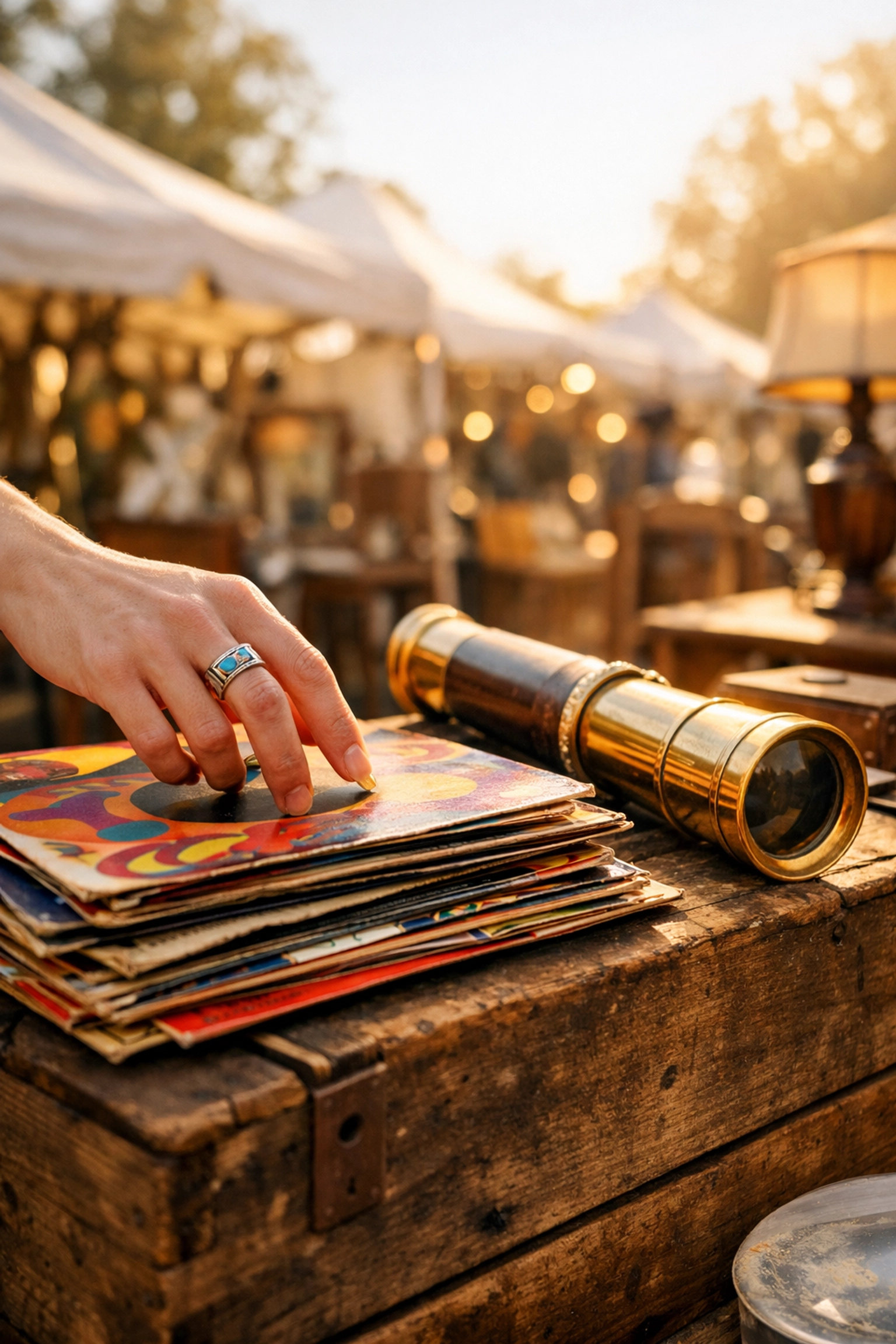
The Thrill of the Hunt: Where to Find Profitable Vintage Items
Before you can make a dime, you need inventory. But you shouldn’t just buy anything that looks “old.” You need pieces that have a market. Here is where the pros spend their time:
Estate Sales
If you want the “good stuff,” estate sales are your best friend. These sales often involve an entire household’s worth of items, many of which haven’t seen the light of day in decades. Look for sales in older neighborhoods where residents may have lived in the same home for 40 or 50 years. You’re looking for high-quality craftsmanship and items that have been well-maintained.
Thrift Stores and Charity Shops
This is the daily grind of the reseller. It takes patience, but the margins can be incredible. The trick is to visit often and learn the restocking schedule of your local shops. Don’t just look at the clothes; check the “odds and ends” bins and the showcase at the front.
Garage Sales and Yard Sales
The classic “one man’s trash is another man’s treasure” scenario. Garage sales are where you’ll find the best deals because people are usually just trying to clear out space. Don’t be afraid to bundle items and negotiate a lower price.
Online Auctions and Local Listings
Don’t overlook sites like Hibid or even Facebook Marketplace for sourcing. Sometimes people list “vintage boxes” or “lot sales” because they don’t want to deal with individual pieces. That’s where you step in, do the work, and reap the rewards.
What Sells Best? The “Gold Mine” Categories
You can’t sell everything, and you certainly don’t want to store a bunch of duds. When you’re reselling for profit, focusing on these high-demand categories will help you turn your inventory faster.
1. Vintage Graphic Tees
Nostalgia is a powerful drug. 80s and 90s single-stitch shirts, band tees, and old tech company merch (like an original Apple or Microsoft logo shirt) can sell for hundreds: sometimes thousands: of dollars.
2. Mid-Century Modern (MCM) Decor
The “Mad Men” look isn’t going anywhere. Think teak wood, tapered legs, and starburst clocks. Even small MCM items like glassware, planters, or lamps can bring in a high price point because they are relatively easy to ship compared to a sofa.
3. Retro Electronics
Believe it or not, people are desperate for the tech they grew up with. Working Sony Walkmans, Nintendo Game Boys, and even vintage typewriters are high-demand items. If you find one that’s “New in Box” (NIB), you’ve hit the jackpot.
4. Collectibles and Toys
From original Star Wars figures to vintage Pyrex bowls, selling collectibles is a niche that rewards those who do their homework. Collectors are often willing to pay a premium for items in excellent condition with original packaging.
Choosing Your Platform: Where to Sell Your Finds
Not all platforms are created equal. Where you list your item depends entirely on what it is and who you want to reach.
- eBay for Reach: eBay is the OG for a reason. It has a massive global audience and is the best place for ebay selling strategies like auctions for rare collectibles. If it’s rare, put it on eBay.
- Etsy for Aesthetic: If your vintage items are curated and lean toward “home decor” or “boho fashion,” Etsy is your spot. It’s known for a curated, boutique feel, and buyers there expect to pay a bit more for that “found” aesthetic.
- Depop for Gen Z: If you have 90s streetwear or Y2K fashion, Depop is the place to be. It’s basically Instagram meets a flea market. High-quality, “cool” photography is a must here.
- Poshmark for Ease: Great for vintage clothing and accessories. Poshmark handles the shipping labels for you, making it a very beginner-friendly platform.
- Vestiaire Collective for High-End: If you stumble upon a vintage Chanel bag or a pair of Gucci loafers, learning how to sell on Vestiaire Collective is essential. They specialize in luxury resale and provide authentication services that give buyers peace of mind.
Expert Tip: Work Smarter, Not Harder with AI
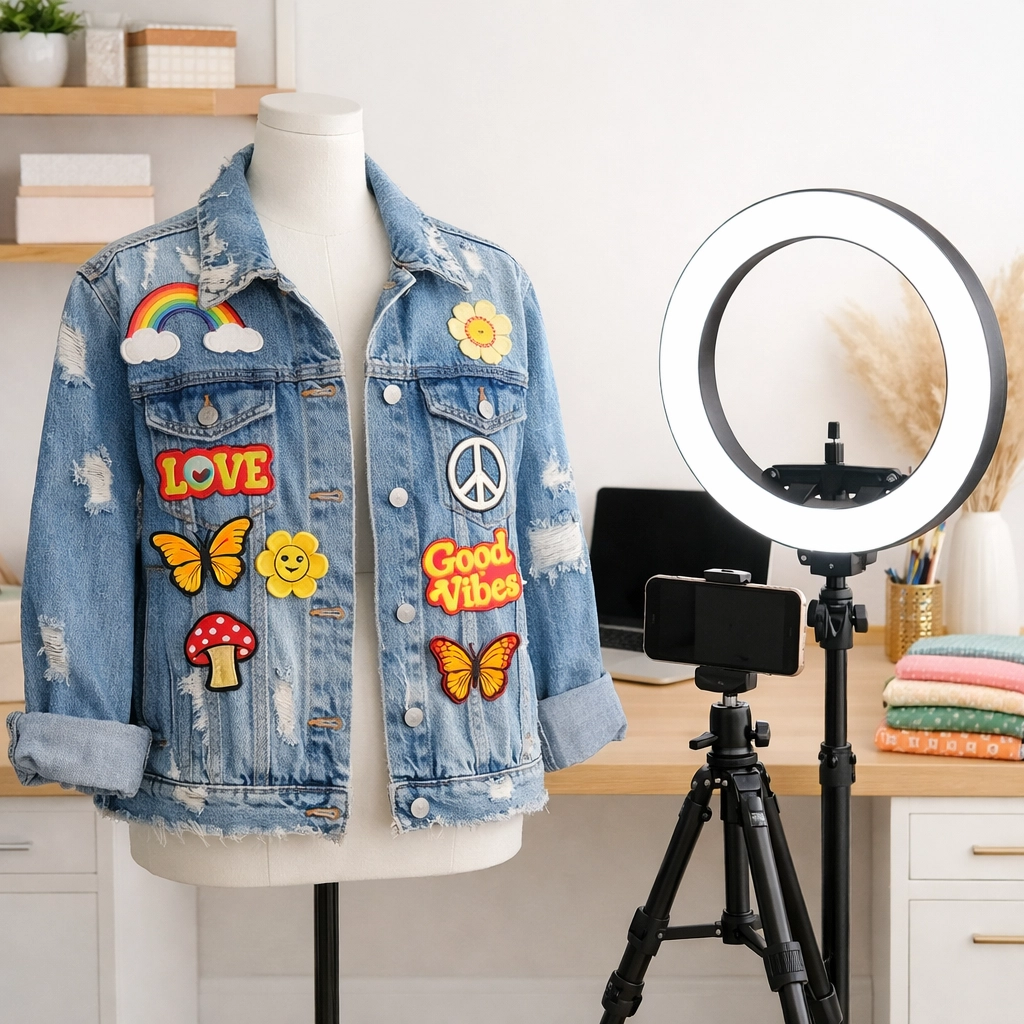
The biggest bottleneck in any reselling business is the time it takes to research and list items. If you’re spending two hours researching a single vase, you aren’t making money; you’re losing time.
This is where reselling AI comes into play. Modern tools can now help you:
- Identify an item just by looking at a photo.
- Analyze market trends to see what similar items sold for recently.
- Generate professional, SEO-optimized descriptions in seconds.
Instead of staring at a blank screen trying to describe the “patina” on a brass candlestick, you can let an AI tool do the heavy lifting. This allows you to get more items listed in half the time.
Want to master these tools? You need to join our community. The AI for Resellers membership is currently only $6/month, and it’s packed with the exact strategies you need to automate your business. We show you how to use technology to scale your income without burning out.
Join the AI for Resellers Membership Here!
How to Scale: Building Your Own Brand
Once you’ve mastered the art of the flip, you might find that you have a lot of knowledge to share. Many successful resellers eventually start their own blogs or websites to showcase their finds and teach others the ropes.
If you want to scale your reselling business into a full-blown brand, I highly recommend checking out Marblism. It’s a fantastic way to build a high-performing blog or website without needing a degree in computer science. You can check it out here: Start your site with Marblism.
Having your own platform allows you to capture email addresses, build a loyal following, and even sell items directly to your fans without paying platform fees.
Final Thoughts: Start Where You Are
The beauty of selling vintage is that you don’t need a huge warehouse or thousands of dollars to start. You just need a keen eye and a little bit of hustle. Start by looking around your own house: most of us have “vintage” items hiding in our attics right now.
List a few items, get a feel for the shipping process, and listen to The Power Selling Podcast for more tips on how to grow.
Vintage isn’t just about the past; it’s about your future. So, get out there, start hunting, and let’s turn those old treasures into new profits!
Spread the love! If you found this guide helpful, share it with a friend who’s looking for a side hustle.