Estimated Reading Time: 8 minutes
So, you’ve been thinking about opening an Etsy shop? Maybe you’ve got a closet full of vintage treasures, or perhaps you’re a creator at heart with a desk full of handmade crafts. Whatever your “why” is, Etsy is one of the most rewarding platforms for turning a hobby into a legitimate side hustle: or even a full-time career.
I’ve been in the reselling game for a long time, and if there’s one thing I’ve learned, it’s that every platform has its own personality. While eBay is the king of everything and Poshmark is the social butterfly of fashion, Etsy is the cozy, creative boutique of the internet. It’s where people go when they want something special.
Recently, as I hit the milestone of turning 65, I found myself leaning even more into the creative side of reselling. I actually created a “Turning 65: A Fun Activity Book” because I realized there was a gap in the market for something fun and engaging for my age group. That’s the beauty of Etsy: it allows you to take a personal passion or a niche idea and put it in front of a global audience that values “unique” over “mass-produced.”
Let’s get you started on the right foot so you can stop dreaming and start selling.
Choosing Your Shop Identity
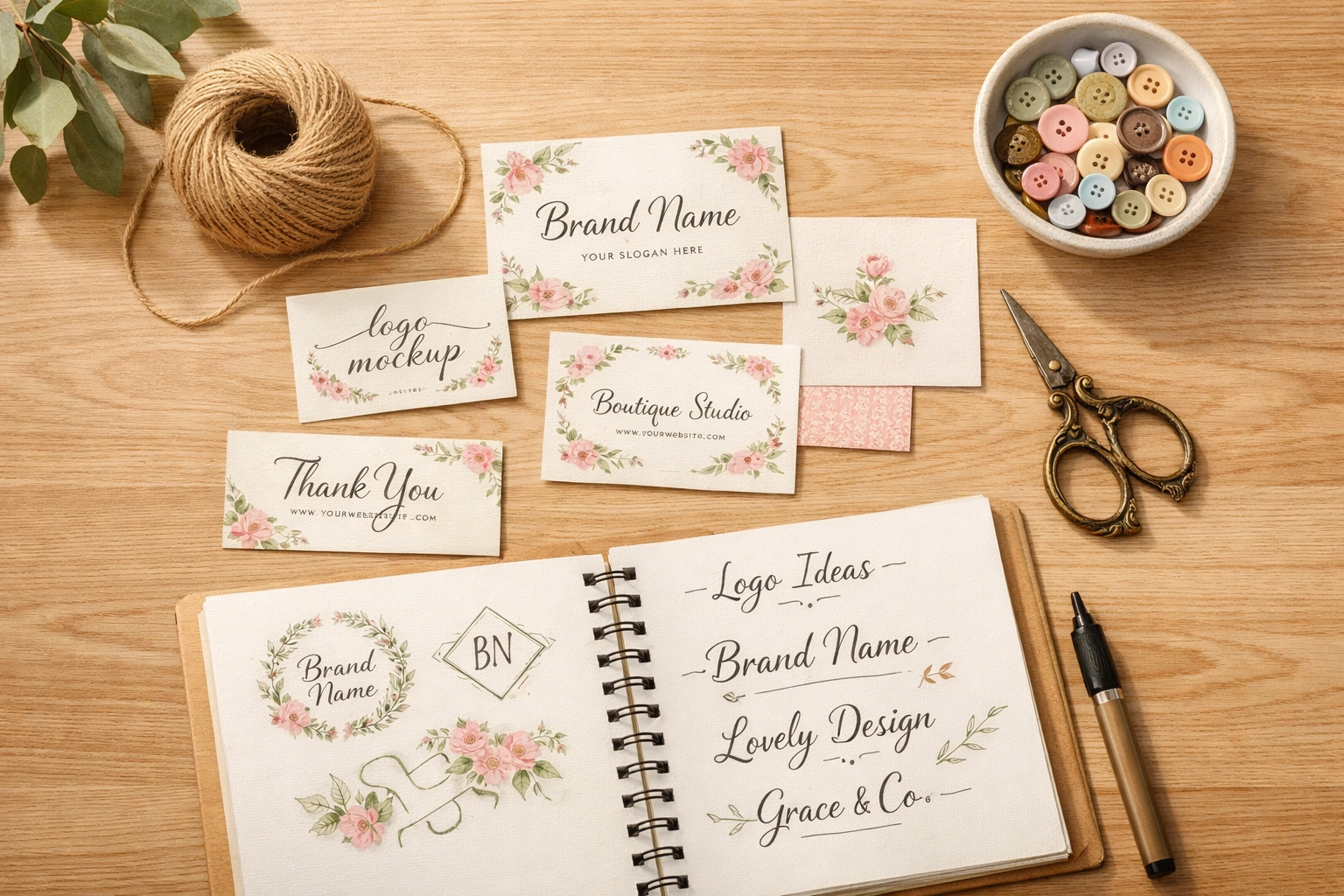
Before you click that “Open Your Shop” button, you need a name. This sounds simple, but it’s actually one of the most important branding steps you’ll take. Your shop name sets the tone for everything.
When picking a name, aim for something memorable but descriptive. If you plan on selling women’s dresses from the 1970s, maybe “RetroVibeVintage” works better than just “Danna’s Shop.”
Pro Tip: Your shop name should be between 4 and 20 characters. Avoid special characters or spaces. Most importantly, check that the name isn’t already trademarked! You don’t want a “cease and desist” letter to be your first piece of mail as a new business owner.
What Can You Actually Sell?
Etsy isn’t a “sell anything” site. They are very strict about their three main categories:
- Handmade Goods: Items that are made or designed by you. If you design a digital download (like my activity book!) or sew custom, this is your home.
- Vintage Items: To qualify as vintage on Etsy, an item must be at least 20 years old. This is a huge market! If you find a stash of 90s band tees or mid-century modern home decor, Etsy buyers will go wild for them.
- Craft Supplies: These can be handmade, commercial, or vintage. Think beads, fabric, patterns, or even specialized tools for other makers.
If you try to sell a brand-new, mass-produced item that you didn’t design or make, Etsy will eventually catch on and shut you down. Stick to the rules and your shop will thrive.
Understanding the Etsy Fee Structure
One of the biggest hurdles for new sellers is the “math” of reselling. You need to know your margins to make a profit. Etsy is relatively affordable to start, but those small fees can add up if you aren’t paying attention.
- Listing Fee: It costs $0.20 to list an item for four months. If it doesn’t sell, you pay another $0.20 to renew it.
- Transaction Fee: When you make a sale, Etsy takes a 6.5% cut of the total price (including shipping and gift wrapping).
- Payment Processing: This is usually around 3% plus a small flat fee (like $0.25) per transaction. This covers the cost of handling the credit card payment.
It might feel like a lot of “nibbling,” but compared to the cost of a physical storefront or even other high-end platforms, it’s a great deal for the traffic Etsy brings to your door.
Listing Your First Item for Success
You have your name and your inventory: now it’s time to go live. Your first listing is your “grand opening.” Etsy recommends starting with at least 10 to 20 listings to give your shop a “full” look, but you can start with just one to get the ball rolling.
High-Quality Photos are Non-Negotiable
Since your customers can’t touch the item, your photos have to do the heavy lifting. Use natural light and clear backgrounds. If you’re selling Sun Dresses, show them on a mannequin or a flat lay that looks clean and professional.
Writing a Title that Sells
Don’t just name your item “Blue Dress.” Use keywords! Think about what a buyer would type into a search bar. “Vintage 1950s Blue Floral Cotton Sun Dress, Size Medium, Rockabilly Style” is much more likely to get a click.
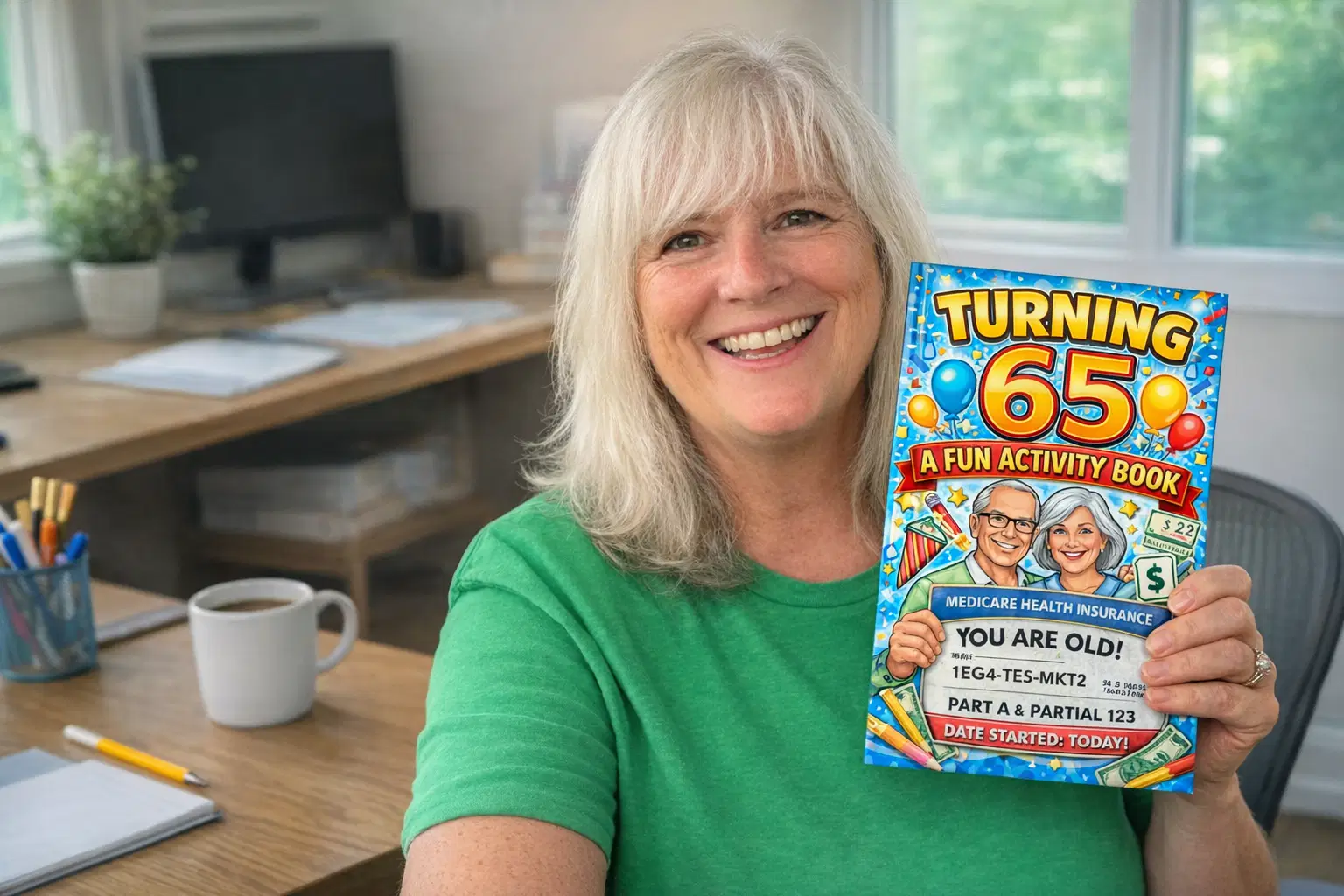
Taking the time to create something unique, like my activity book, is a great way to find your niche on Etsy.
Mastering Etsy SEO (Search Engine Optimization)
This is where the magic happens. Etsy is essentially a massive search engine. To “get noticed,” you need to understand how the Etsy algorithm works.
- The Power of 13 Tags: Etsy gives you 13 “tags” per listing. Use all of them. Every single one is an opportunity to be found. Use multi-word phrases like “boho chic decor” instead of just “decor.”
- Attributes Matter: When you’re creating your listing, Etsy will ask for attributes like color, material, and occasion. Fill these out! If someone filters their search for “Silk” or “Wedding Gift,” and you haven’t checked those boxes, you won’t show up.
- The First Paragraph: The first few lines of your description are used by search engines like Google. Put your most important keywords right at the top.
If this feels overwhelming, don’t worry. I’ve found that using AI tools can save a massive amount of time when writing these descriptions and tags. That’s actually why I started my community at AI for Resellers. We talk about how to use technology to do the “boring” parts of reselling so you can focus on the creative stuff. Joining a community like that (it’s only $6 a month!) can keep you ahead of the curve.

Setting Up Your “About” Section
Buyers on Etsy want to know the story behind the shop. They aren’t just buying a product; they are buying into you.
Tell them why you started. If you’re a grandmother who loves finding vintage toys to give them a second life, say that! If you’re like me and you’re navigating the exciting world of being 65+ and staying tech-savvy, share that journey. People love to support real human beings.
Make sure to set up your shipping profiles clearly too. Buyers hate being surprised by high shipping costs at the very end of a checkout. If you can, try to build some of the shipping cost into the item price to offer “Free Shipping”: it’s a huge psychological boost for the buyer.
You May Have Missed!
If you are expanding your empire beyond Etsy, you definitely want to check out my previous guides on navigating the fashion world. Understanding Fashion Keywords that Sell can help you across all platforms, whether you’re on Etsy, eBay, or Poshmark.
For more information on the history of the marketplace and how it has evolved, you can check out the Etsy Wikipedia page which gives a great overview of its global impact.
Final Thoughts: Just Start!
The biggest mistake I see new sellers make is waiting for everything to be “perfect.” Your photos won’t be perfect on day one. Your SEO will need tweaking. But you can’t improve a shop that doesn’t exist.
Get those first few items listed. Spread the love by sharing your new shop link with friends and family. Once that first “Cha-ching” notification hits your phone, you’ll be hooked!
If you need more help or want to dive deeper into how AI can help you scale your Etsy shop without losing your mind, come join us at AI for Resellers. We are a group of like-minded sellers helping each other grow.
Happy selling, and I can’t wait to see what you create!